
Project Structure
The project objectives will be achieved through the execution of 4 Technical Work Packages, each led by a WP Leader.
The research programme includes both experimental, numerical, and field work to be carried out by all partners of the consortium. Figure 2 describes the structure of the proposed research.
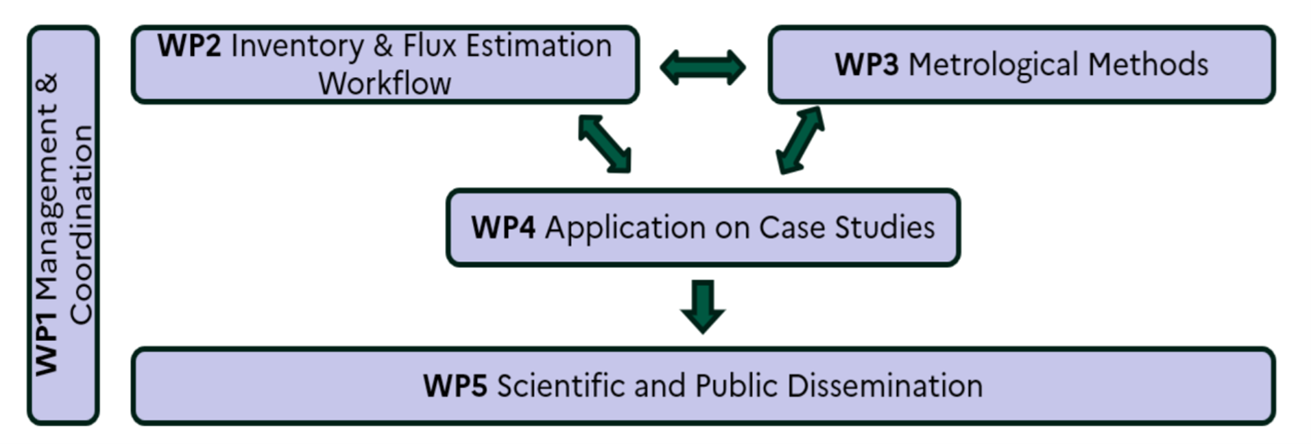
Figure 2 - Structure of the proposed research
Work Package 1 will focus on managing the project. This project management WP is crucial for ensuring the smooth flow and success of the project. It includes organizing and managing essential organizational and legal aspects, such as drafting the consortium agreement, holding formal partner meetings, and preparing the necessary documentation, like meeting minutes and reports. GIG will lead these activities with contributions from all partners.
Significantly, the coordination involves facilitating efficient data exchange among nine project partners from five EU countries, highlighting the importance of international collaboration. The project also includes international field measurements, which require meticulous logistic arrangements, access to case sites, and adherence to safety requirements.
The Project Steering Committee (PSC) plays a vital role, with representatives from each partner, supporting risk assessment, strategic decision-making, dissemination evaluation, and intellectual property protection. Ensuring activities align with schedules and resource allocations, the coordinator serves as the primary contact between partners and the Commission, organizing technical meetings as needed.
In Task 1.3, the focus is on formulating a Dissemination and Communication Plan, establishing protocols for data sharing, IP protection, and dissemination throughout the project's duration. GIG will leverage internal resources to lead this task, ensuring effective data management and interaction with partners' activities. Given the complex nature and scale of the coordination required, the project justifies the staff effort allocated to management and coordination to facilitate a seamless project flow.
Work Package 2 aims at developing the methodology for establishing the inventory and the estimation of the methane fugitive emissions. Three different tasks are therefore defined. The first one addresses the challenge to determine a workflow accounting for the potential scarcity of the data for abandoned mines, that meets up to the new EU regulation expectations. The second task deals with the identification and classification of the emitting components of a mining site and its flooding status. Indeed, each type of component, i.e., ventilation shafts, borehole, gallery, etc…, has a different proficiency to leak methane. Hence, being able to classify these components will provide useful information for future mitigation policies. Furthermore, the EU new regulation depends greatly on the mine flooding status. However, no clear definition of a flooded mine was provided by the regulation. Hence, the second task will also focus on clarifying the definition of a flooded mine under the new EU regulation and the potential impact of flooding on the monitoring. The third task focuses on developing an approach to estimate methane fugitive emission at basin or mine scale based on emission factor. Indeed, the feedback from countries that have carried out such inventories highlight the necessity to develop country-made or region-made emission factors to estimate fugitive emissions for mines with little data and to reduce the uncertainties regarding the emissions. The emission factors are expected to depend on the former mining activity, the time since mine closure, the flooding status, and the gaseous content. Numerical modelling and comparisons with field measurement will help to constrain the emission factors.
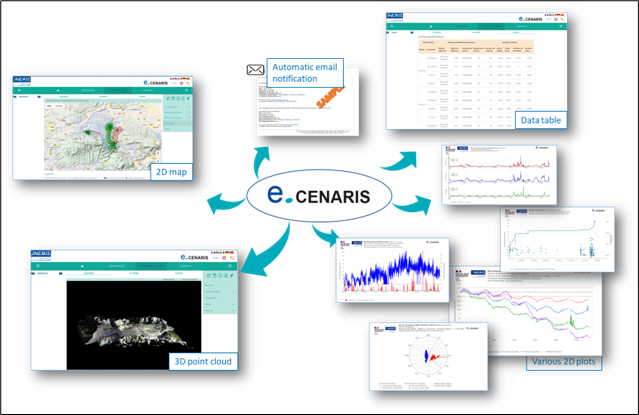
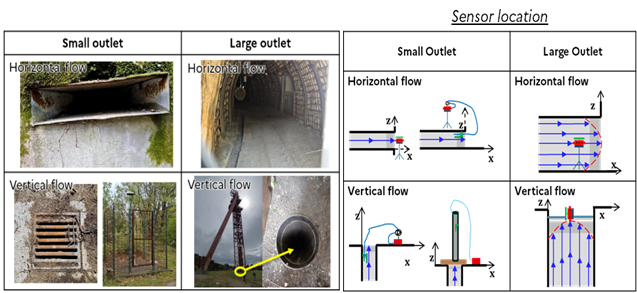
Work Package 3 will address the challenges to measure a CH4 flux for each type of emissive component and to collect the the data to obtain a single annual value for each component. It will implement the first steps to develop suitable sensors, specific measurement tools and data collection devices or networks that provide a reliable measure. Three different tasks are defined. The first one addresses the current state of methane emission measurements and their impact on the uncertainties of the inventory results. If the results of the first task suggest the development of new innovative metrological methods to provide a reliable measure down to the 0.5 tCH 4/year threshold, the second task will focus on implementing the first steps to develop them. The third will focus on aggregating all the flux measurements continuoulsy acquired over the time to obtain an single annual value for each monitored component.
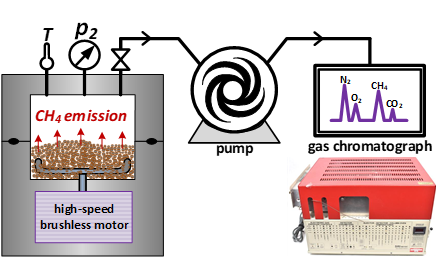
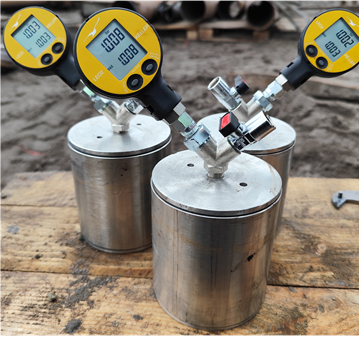
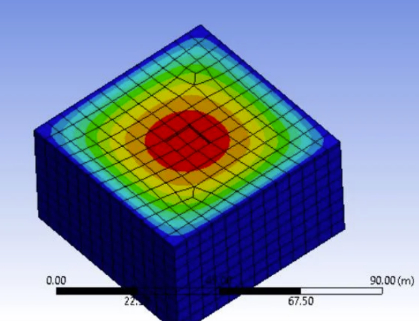
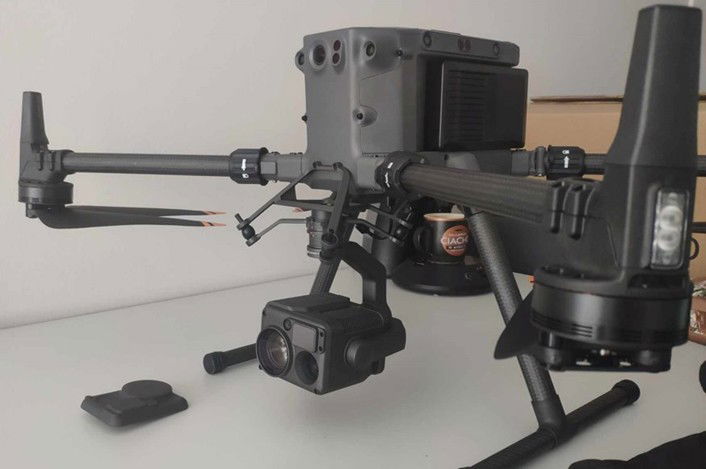
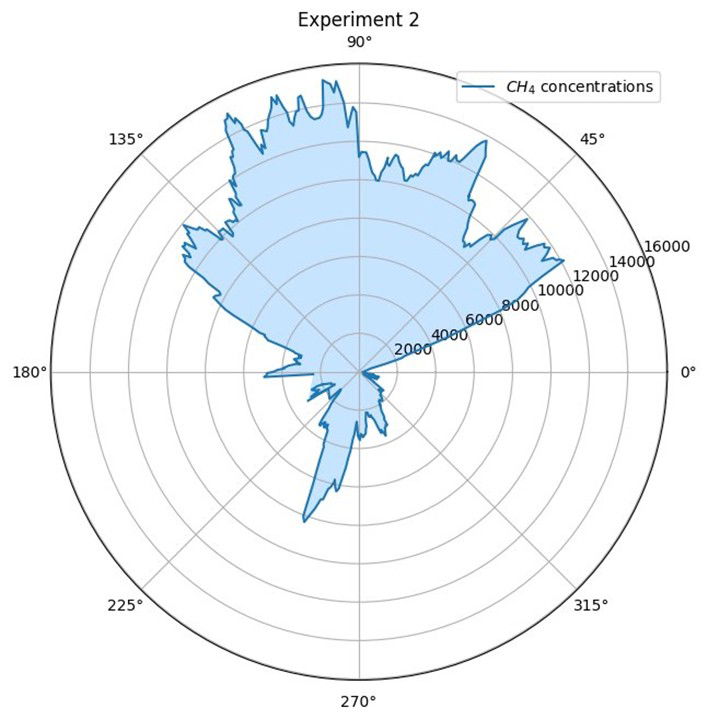
Work Package 4 aims to systematically evaluate and enhance methodologies for measuring and modeling methane emissions from abandoned coal mines, with a focus on improving accuracy and reliability. It will begin with comprehensive site characterization and assessment to identify representative case studies in Poland, followed by the replication of these methodologies in the Czech Republic, Belgium, and France to ensure a diverse range of emission sources is included. The development and implementation of innovative measurement techniques will involve designing tailored measurement systems that utilize advanced in-situ gas measurement methods and airborne technologies. This will enhance the accuracy of data collected on methane emissions and provide deeper insights into gas migration processes. Additionally, numerical modelling will play a crucial role; a robust spatial structural-parametric model will be developed using advanced Computational Fluid Dynamics (CFD) software to simulate the behaviour of methane emissions in disturbed deposits from previous mining operations. This modelling will incorporate relevant geological parameters and operational conditions, allowing for detailed analyses of gas flow dynamics. To ensure the reliability of results, advanced data analysis methods will be employed, including statistical analyses, machine learning, and sensitivity analyses. These will facilitate comparisons between the results obtained from the measurement techniques and the predictions generated by numerical models. This comparison will help identify any inconsistencies and refine methodologies for future studies. Finally, the insights gained from the measurement and modeling activities will lead to the generation of practical guidelines and recommendations aimed at accurately assessing and managing methane emissions. This work package ultimately seeks to contribute to a deeper understanding of methane emissions in abandoned mining contexts, supporting improved decision-making and strategies for methane management and environmental protection.
Work Package 5 focuses on the conclusions and dissemination of research findings. Three target groups have been identified to receive the results of the project: the stakeholders (EU representatives, mining authorities, mining companies, consulting companies, EURACOAL, NGOs, etc.) of the project, the scientific and expert community and the public. For each target group, a dedicated dissemination plan will be developed. For the stakeholders, partners will write a technical guide to carry out the methane fugitive emission inventory up to the EU new regulation expectations. A workshop will also be organised to promote the results to the stakeholders. The partners will also participate in national, European and international events (e.g. conferences and technical meetings, etc.) to present the objectives of the project and the main results. Additionally, results will be published in peer-reviewed papers, in high impact journals ranked in the two first quarters of the Journal Citations Report (JCR) and other magazines during and after completion of the project, to maximize the scientific dissemination of the project. Furthermore, the results will be discussed with the experts of UNECE Groups of Experts for Coal Mine Methane and Just Transition and with the Global Methane Initiative Coal Subcommittee. Finally, information events and participatory citizen science approaches on local scale will be organized. A website with an interactive map will be created where citizens can upload and document their images and observations concerning methane emissions.

Funded by the European Union. Views and opinions expressed are however those of the author(s) only and do not necessarily reflect those of the European Union or the European Education and Culture Executive Agency (EACEA). Neither the European Union nor EACEA can be held responsible for them.
© 2026 memo.gig.eu | Accessibility Statement